
 info@burtsrx.com

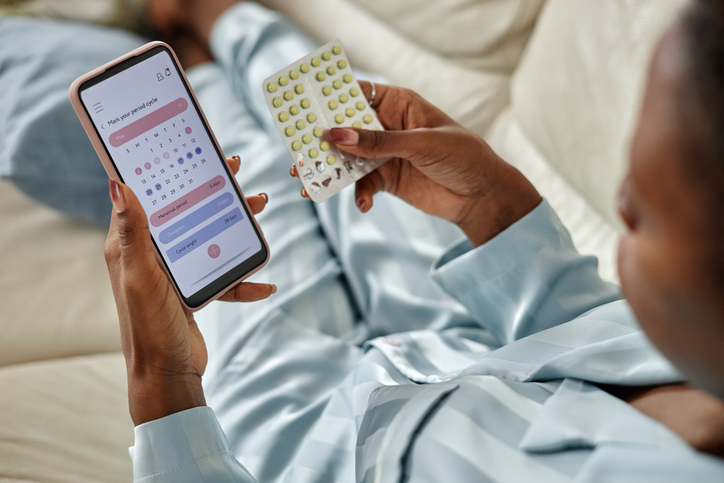
Managing reproductive health efficiently is a major priority for many individuals today. While daily pills and barrier methods have long dominated the conversation, modern options provide steady hormone delivery with significantly less daily maintenance. One notable innovation in flexible contraceptive design is Annovera, an FDA-approved method that offers full-year pregnancy prevention in a single device. Choosing the right birth control involves evaluating comfort, convenience, and health requirements, which is why working with a trusted birth control pharmacy prescription team can simplify your decision-making process.
Understanding how to insert, time, and remove this ring ensures that you maintain maximum protection against pregnancy while keeping your schedule hassle-free. Unlike monthly disposable rings, this system uses a durable material designed to last through multiple cycles. Knowing what to expect regarding insertion techniques, continuous timing schedules, proper hygiene, and storage will help you feel confident using this long-lasting contraceptive.
What Makes Annovera Unique in Reproductive Healthcare
Annovera is a flexible, soft silicone ring that continuously releases synthetic hormones, specifically segesterone acetate and ethinyl estradiol. These active components enter the bloodstream directly through the vaginal tissue to block ovulation, thicken cervical mucus, and thin the uterine lining. What makes this device stand out in reproductive care is its unique design as a reusable birth control ring. Instead of replacing the device every three or four weeks at the pharmacy, you use the exact same ring for up to 13 total cycles, which equals one full year of contraceptive coverage.
To understand how this option fits into modern healthcare, it helps to review the broader landscape of vaginal ring birth control options. Many patients compare different brand models when determining which prescription birth control ring best matches their lifestyle. Evaluating key factors like Annovera vs NuvaRing highlights major differences in usage, storage, and refill frequency. While older disposable rings require monthly replacements and strict refrigeration before use, this reusable system remains stable at room temperature and stays in your care for the entire year.
In clinical trials evaluated during FDA approval, the failure rate for this method with typical use was approximately 2% to 4%, making it over 96% effective in real-world scenarios. With perfect use, efficacy reaches up to 97.3%, showing how reliable consistent hormone delivery can be when instructions are followed carefully.
Step-by-Step Guide to Correct Placement
Inserting the ring into the vagina is simple and similar to inserting a tampon. Proper hand hygiene is essential before handling the ring. Always wash your hands thoroughly with warm water and soap to prevent introducing unwanted bacteria into the vaginal area.
Hold the ring between your thumb and index finger, pressing the opposite sides together so that the ring squishes flat. Choose a comfortable position, such as standing with one leg elevated on a stool, squatting down, or lying on your back with knees bent. Gently push the folded ring up into the vaginal canal as far back as it goes comfortably.
The exact position of the ring inside the vaginal canal does not alter its ability to prevent pregnancy. As long as it rests comfortably inside and does not slide out, it is inserted correctly. The muscles of the vagina hold the device securely in place, so you should not feel any pain or discomfort while going about your daily activities, exercising, or having intercourse.
If you feel any discomfort or feeling that the ring is slipping downward, use a clean finger to gently push it farther back. If you ever experience persistent discomfort or suspect an infection, reach out to your primary care doctor or visit our clinical care team to review proper insertion techniques or discuss alternative women’s health pharmacy solutions.
Mastering the 21/7 Timing Schedule
Consistency is key to maintaining proper hormone levels throughout your cycle. The usage schedule follows a strict 21-days-in, 7-days-out cadence for up to 13 consecutive cycles.
You keep the ring inserted continuously for 21 full days. During these three weeks, the device releases a steady dose of hormones to suppress ovulation. You should keep the ring in place during all routine activities, including bathing, swimming, exercising, and sexual intercourse.
On day 22, you remove the ring and leave it out for exactly 7 full days. This seven-day break is when you will experience withdrawal bleeding, similar to a standard menstrual period. Even though the ring is removed during this week, you remain fully protected against pregnancy as long as you inserted it correctly during the preceding three weeks and put it back in on schedule.
On day 28, exactly seven days after removal, you reinsert the same ring to start your next cycle. Setting calendar alarms, smartphone notifications, or pill-tracking app reminders makes it easy to stay on schedule.
If the ring is accidentally removed or slips out during the 21-day active phase, it must be reinserted as soon as possible. If it remains out of the vagina for longer than two continuous hours, or for cumulative periods adding up to more than two hours across the 21 days, you must use a backup barrier method like condoms for seven consecutive days after reinsertion.
Safe Removal and Essential Cleaning Procedures
Removing the ring at the end of your 21-day active phase is a quick, painless process. Wash your hands thoroughly with soap and water before reaching into the vagina.
Insert a clean finger into the vaginal canal, hook your finger under the rim of the ring, and gently pull it straight down and out. Take care not to pull aggressively or use sharp fingernails that could scratch delicate vaginal tissue.
Because this device is a reusable birth control ring designed to last a full year, proper cleaning and storage during your 7-day ring-free week are critical. After removing the ring, wash it thoroughly with warm water and mild liquid soap. Avoid using harsh chemical cleansers, boiling water, alcohol, or abrasive soaps, as these products can degrade the silicone material and compromise hormone delivery.
Pat the ring dry with a clean towel or paper towel. Store the clean device inside the protective case provided with your prescription. Keep the case in a safe room-temperature environment away from extreme heat, direct sunlight, and out of reach of children or pets.
Comparing Your Contraceptive Options
When exploring long-acting hormonal methods, patients frequently compare an array of options to see what fits best into their routines. From daily tablets to monthly inserts, each format brings distinct characteristics. For instance, some individuals prefer oral routines and might explore options like a dissolvable birth control pill if swallowing traditional tablets poses a challenge. Others prefer avoiding daily attention entirely.
Analyzing Annovera vs NuvaRing is one of the most common comparisons in vaginal contraceptive care. The standard NuvaRing is inserted for three weeks, discarded, and replaced with a brand-new device after a one-week break. This requires monthly prescription refills and careful temperature control prior to insertion. In contrast, Annovera offers a single prescription birth control ring that stays with you for 13 full cycles, reducing pharmacy visits and eliminating the need for cold storage.
Choosing the right option comes down to personal health history, daily habits, and convenience preferences. Discussing these details with your healthcare provider or pharmacist ensures you select a prescription that supports your wellness goals safely and effectively. Contact Burts RX today!