
 info@burtsrx.com

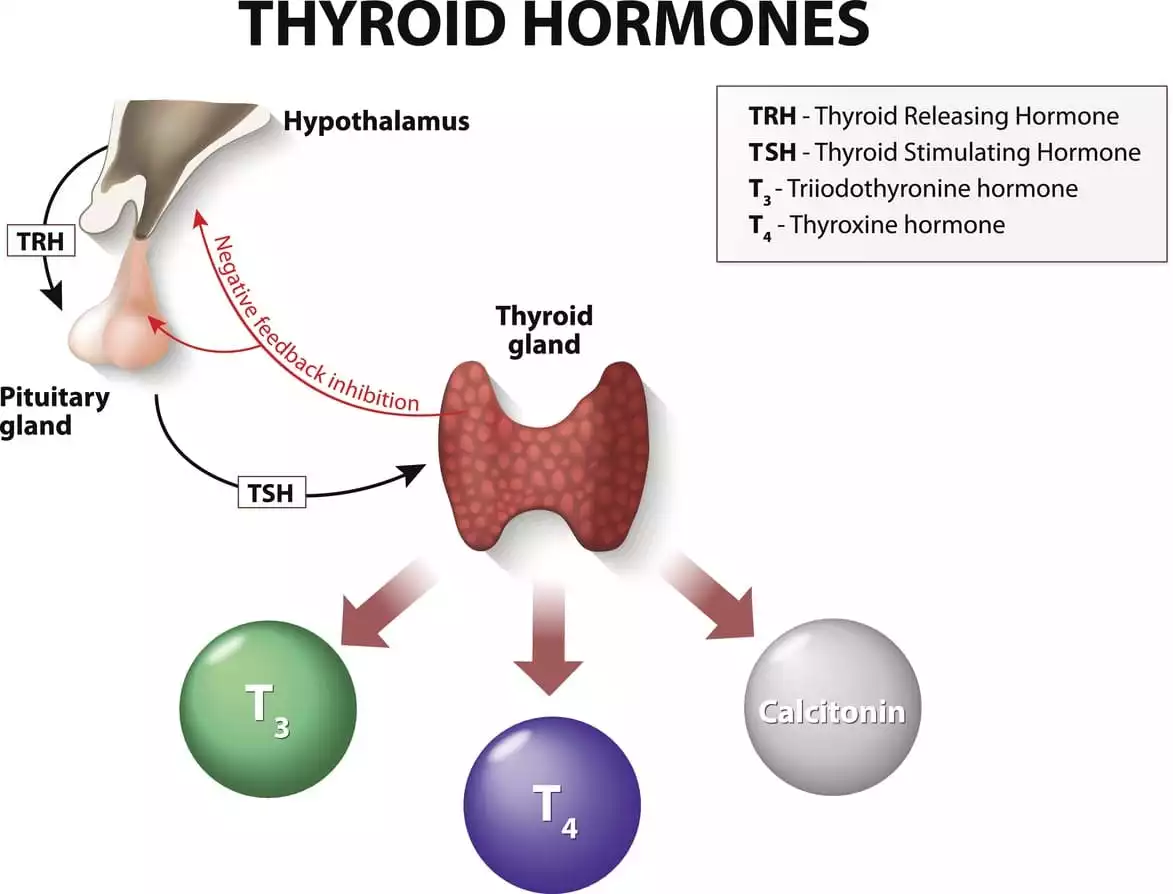
The thyroid gland, a small butterfly-shaped organ located at the base of the neck, plays an outsized role in human health. It serves as the master controller of metabolism, influencing everything from heart rate and body temperature to how quickly you burn calories. When this gland fails to produce enough hormone, a condition known as hypothyroidism, the body’s processes slow down. For millions of people, thyroid hormone replacement therapy is a life-changing intervention. However, like any long-term treatment, it requires a nuanced understanding of its benefits and the potential thyroid medicine side effects that can occur.
According to the American Thyroid Association, approximately 20 million Americans have some form of thyroid disease, but up to 60 percent of those with thyroid disease are unaware of their thyroid condition. For those who are diagnosed, the journey often begins with a prescription intended to restore hormonal balance and return the patient to a state of “euthyroid,” or normal thyroid function.
The Vital Benefits of Treatment
The primary goal of thyroid medication, such as levothyroxine (synthetic T4) or liothyronine (synthetic T3), is to mimic the natural hormones the body is missing. When the dosage is correctly calibrated, the benefits are often profound:
Metabolic Restoration
Patients often experience an increase in energy levels and a reversal of unexplained weight gain.
Cognitive Clarity
The “brain fog” frequently associated with hypothyroidism usually clears, improving memory and focus.
Temperature Regulation
Treatment helps resolve the constant feeling of being cold, a hallmark symptom of a sluggish thyroid.
Cardiovascular Health
Proper hormone levels help maintain a healthy heart rate and can lower “bad” LDL cholesterol levels, which often spike when the thyroid is underactive.
Navigating Thyroid Medicine Side Effects
While the benefits are clear, the transition to medication is not always seamless. Most thyroid medicine side effects are actually symptoms of “iatrogenic hyperthyroidism”—meaning the dose is slightly too high for the body’s current needs. If the body receives more hormone than it requires, the metabolism speeds up excessively, leading to:
-
Palpitations or a racing heart
-
Anxiety and irritability
-
Insomnia
-
Excessive sweating and heat intolerance
-
Tremors in the hands
Conversely, if the dose is too low, the symptoms of hypothyroidism will persist. Finding the “Goldilocks zone” requires regular blood testing, particularly the Thyroid Stimulating Hormone (TSH) test, and open communication with a healthcare provider.
The Role of Compounded Medications
In some instances, standard commercially available tablets do not meet a patient’s specific needs. Some individuals are sensitive to dyes, fillers (like lactose or gluten), or specific binders used in mass-produced pharmaceuticals. This is where compounding pharmacies play a crucial role, as they can create customized dosages or use alternative fillers.
However, patients should be aware of compounded thyroid medication side effects. These are rarely caused by the active hormone itself, but rather by the change in how the body absorbs the customized formula. Because compounded medications are handmade to a specific prescription, any slight variation in the absorption rate can lead to fluctuations in hormone levels. Patients switching to a compounded version should have their levels checked more frequently during the transition to ensure the new formulation is achieving the desired therapeutic effect without causing adverse reactions like digestive upset or skin rashes.
Considering the Long-Term Horizon
Because hypothyroidism is usually a lifelong condition, patients often express concern about the long term side effects of thyroid medication. When maintained at the correct therapeutic dose, thyroid replacement is generally considered very safe because it is replacing a substance the body naturally produces.
However, the primary risks associated with long-term side effects of thyroid medication occur when a patient is over-replaced (taking too high a dose) for many years. Research has shown two primary areas of concern:
Bone Density Loss
Chronic over-replacement can accelerate bone turnover. Over several decades, this can lead to an increased risk of osteoporosis and bone fractures, particularly in postmenopausal women.
Atrial Fibrillation
Long-term exposure to excess thyroid hormone can place stress on the heart, potentially leading to arrhythmias like atrial fibrillation, which increases the risk of stroke.
To mitigate these long-term side effects of thyroid medication, it is vital to avoid the “set it and forget it” mentality. As we age, our weight changes, and our activity levels shift, our thyroid requirements change. Annual or bi-annual lab work is the best defense against the complications of long-term therapy.
Factors That Influence Medication Efficacy
It is not just the pill itself that determines whether you experience thyroid medicine side effects; it is also how you take it. Thyroid hormone is notoriously finicky regarding absorption. To ensure a steady level of medication in your system, consider the following:
Consistency is King
Take your medication at the same time every day, ideally on an empty stomach, at least 30 to 60 minutes before breakfast.
The Caffeine Gap
Coffee can significantly interfere with the absorption of levothyroxine. Experts recommend waiting at least an hour after taking your pill before enjoying your morning cup.
Supplement Interference
Calcium and iron supplements are known to bind to thyroid hormone in the gut, preventing it from entering the bloodstream. These should be taken at least four hours apart from your thyroid dose.
Brand Stability
Different generic manufacturers may have slight variations in their formulations. Once you find a version that works for you without causing thyroid medicine side effects, try to stay with that specific manufacturer or brand.
Working with Your Pharmacist and Doctor
If you begin to notice new symptoms, such as hair thinning, changes in your menstrual cycle, or a feeling of “jitteriness”, do not assume they are just a part of life. They could be signs that your dosage needs adjustment.
Whether you are dealing with standard prescriptions or managing potential compounded thyroid medication side effects, your healthcare team is your greatest resource. Pharmacists, in particular, can offer insights into drug-drug interactions that might be making your medication less effective or causing unnecessary discomfort.
Its the Cornerstone
Thyroid medication is a cornerstone of modern endocrinology, offering a path back to vitality for those suffering from hormonal imbalances. While the prospect of long term side effects of thyroid medication can seem daunting, the risks of untreated hypothyroidism—including clinical depression, heart failure, and myxedema coma, are far greater.
By staying informed about the potential for thyroid medicine side effects, adhering to a strict dosing schedule, and ensuring your labs are monitored regularly, you can harness the full benefits of treatment. Whether you utilize standard therapy or require the specialized approach of a compounding pharmacy, the goal remains the same: a balanced metabolism and a healthier, more energetic life. Contact us today to learn more about thyroid medication,

I will definatly ask my pharmacist about the side effects of levothyroxine when I go to pick up my meds. Thanks! Annmarie Zima
You are welcome Annmarie! Don’t hesitate to reach out if you have any questions!