
 info@burtsrx.com
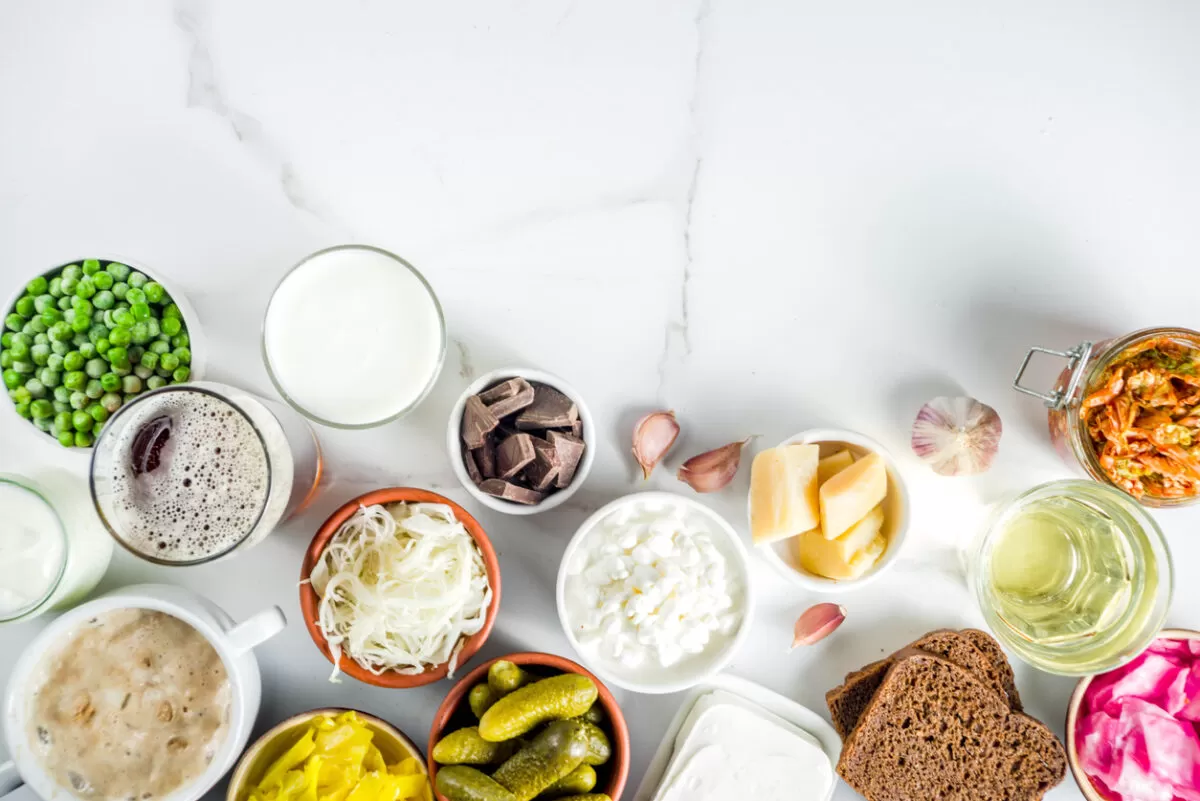
Choosing the best food to eat with antibiotics to avoid nausea can make treatment easier and more effective. Bland foods, high-protein options, probiotics, and hydrating fruits help soothe the stomach, maintain gut health, and reduce discomfort. Proper meal timing and avoiding irritants ensure antibiotics work safely and minimize gastrointestinal side effects.
Taking antibiotics can be essential for treating infections, but they often come with uncomfortable side effects, including nausea and digestive upset. Many patients struggle to find foods that make taking their medication easier on the stomach.
This article explores the best food to eat with antibiotics to avoid nausea and keep your treatment effective.
Introduction
Antibiotics are powerful medications that help fight bacterial infections, but they can irritate the stomach lining and disrupt gut balance. Eating the right foods alongside your antibiotic can reduce nausea, improve tolerance, and support overall digestion.
Here is a guide to choosing the best food to eat with antibiotics to avoid nausea and maintain gut health during treatment.
Understanding Antibiotic-Related Nausea
Nausea is a common side effect of many antibiotics, affecting both children and adults. Antibiotics can irritate the stomach lining, interfere with normal digestion, and alter the balance of beneficial gut bacteria. This disruption can lead to cramping, bloating, and vomiting, making it difficult to adhere to a prescribed course of medication. Some antibiotics are more prone to causing gastrointestinal issues, particularly those taken on an empty stomach.
Understanding why nausea occurs can help patients make better choices regarding food and drink while on antibiotics. Eating strategically, choosing the right foods, and spacing out doses with meals can reduce nausea, improve tolerance, and ensure the antibiotic remains effective against infection.
Why Food Matters When Taking Antibiotics
Food plays a critical role in reducing gastrointestinal discomfort while taking antibiotics. Eating before or during your dose can buffer the stomach lining, preventing irritation and minimizing nausea. Additionally, certain foods help maintain gut health by supporting beneficial bacteria that antibiotics may disrupt.
However, not all foods are beneficial, and some may interfere with antibiotic absorption. By selecting the best food to eat with antibiotics to avoid nausea, patients can protect their digestive health and improve treatment adherence. Foods that are easy to digest, rich in nutrients, and gentle on the stomach are ideal for helping reduce nausea while ensuring medication effectiveness.

Foods That Help Reduce Nausea
Certain foods are especially effective at minimizing nausea while taking antibiotics. Small, frequent meals are better tolerated than large, heavy ones. Bland foods such as toast, crackers, rice, and plain pasta can absorb stomach acid and ease discomfort. Bananas, applesauce, and cooked vegetables are gentle on the stomach while providing vitamins and fiber. Ginger, either in tea or as a small addition to meals, has natural anti-nausea properties that can soothe the digestive tract.
Incorporating these foods into your daily routine can significantly reduce nausea and make it easier to take antibiotics consistently. Choosing the right foods can also help maintain energy and prevent further gastrointestinal upset during treatment.
Probiotic-Rich Foods to Support Gut Health
Antibiotics can disrupt the balance of beneficial bacteria in the gut, which may contribute to nausea and diarrhea. Probiotic-rich foods can help restore gut flora and support digestion. Yogurt with live cultures, kefir, fermented vegetables like sauerkraut or kimchi, and miso are excellent sources of probiotics.
Incorporating these foods alongside antibiotics, but spaced a few hours apart from the medication, can help replenish good bacteria without interfering with absorption. Choosing the best food to eat with antibiotics to avoid nausea often includes probiotics, as they improve gut function and may reduce gastrointestinal discomfort during and after antibiotic treatment.
High-Protein and Bland Foods
High-protein foods that are easy to digest can help maintain energy and reduce nausea during antibiotic therapy. Eggs, tofu, lean poultry, and well-cooked fish are gentle options that provide essential nutrients without irritating the stomach. Pairing these with bland carbohydrates like rice or plain crackers can further ease digestion. Avoid heavy, fried, or spicy proteins that may exacerbate nausea.
Focusing on high-protein and bland foods ensures you maintain nutritional balance while minimizing gastrointestinal side effects. These foods are a key component of the best food to eat with antibiotics to avoid nausea.
Hydrating Foods and Drinks
Staying hydrated is crucial when taking antibiotics, especially if nausea leads to reduced fluid intake. Water, clear broths, herbal teas, and electrolyte-rich drinks help prevent dehydration and flush toxins from the body. Fruits with high water content, such as watermelon, oranges, and cucumbers, also provide hydration while being gentle on the stomach. Sipping fluids throughout the day rather than drinking large amounts at once can prevent stomach upset.
Hydrating foods and drinks support digestion, reduce nausea, and complement the best food to eat with antibiotics to avoid nausea.
Foods to Avoid While on Antibiotics
Certain foods and beverages can worsen nausea or interfere with antibiotic absorption. Spicy, greasy, and highly processed foods can irritate the stomach lining. Dairy products may interact with some antibiotics like tetracyclines and fluoroquinolones, reducing their effectiveness. Alcohol should be avoided as it can increase gastrointestinal irritation and impair liver metabolism of the medication. Acidic foods like citrus or tomato products may trigger discomfort in sensitive individuals.
Avoiding these foods ensures antibiotics work effectively and helps reduce nausea during treatment.
Timing Your Meals with Antibiotic Doses
The timing of meals relative to antibiotic doses can influence both absorption and gastrointestinal tolerance. Some antibiotics should be taken with food, while others require an empty stomach for optimal absorption. Understanding the instructions provided by your healthcare provider or pharmacist is essential.
In general, taking medication with a small, bland meal or snack can help prevent nausea. Spacing probiotic-rich foods a few hours apart from your dose ensures they do not interfere with medication effectiveness. Proper timing is a critical aspect of choosing the best food to eat with antibiotics to avoid nausea.
Tips for Managing Nausea at Home
Simple strategies at home can help manage nausea while taking antibiotics. Eating smaller, more frequent meals, avoiding strong odors, and resting after eating can reduce discomfort. Ginger tea, peppermint, or chamomile may help calm the stomach. Light physical activity, like a short walk, can stimulate digestion without causing further upset.
Keeping a nausea journal to track which foods and meal timings work best can help tailor your routine. Combining these approaches with the best food to eat with antibiotics to avoid nausea improves tolerance and supports adherence to your medication plan.
When to Consult Your Healthcare Provider
If nausea persists despite dietary adjustments, or if you experience vomiting, severe abdominal pain, or signs of dehydration, consult your healthcare provider. They may adjust the antibiotic type, dose, or suggest anti-nausea medications. Your provider can also offer guidance on incorporating probiotics or other supplements safely.
Timely medical consultation ensures safe and effective antibiotic treatment while minimizing discomfort. Always seek professional advice if symptoms interfere with completing your prescribed antibiotic course.
Need Compounding Medication?
Struggling with antibiotic side effects or needing personalized medication solutions? Burt’s Rx offers expert compounding services to create customized medications tailored to your needs.
Serving Newbury Park, Moorpark, Westlake Village, and Thousand Oaks, Burt’s Rx ensures safe, effective, and patient-focused solutions for optimal treatment outcomes. This includes services like pediatric compounding services, pet compounding, bioidentical hormone replacement therapy, and pain management compounding solutions.
Conclusion
Choosing the best food to eat with antibiotics to avoid nausea can make treatment more tolerable and effective. Bland, high-protein, hydrating, and probiotic-rich foods support digestion and reduce gastrointestinal discomfort. With the right dietary strategies and professional guidance, you can take antibiotics safely while minimizing nausea and supporting overall health.
Disclaimer: This article is meant for educational and entertainment purposes only. Do not substitute it for medical advice. Always listen to your doctor for the management of your condition.