
 info@burtsrx.com
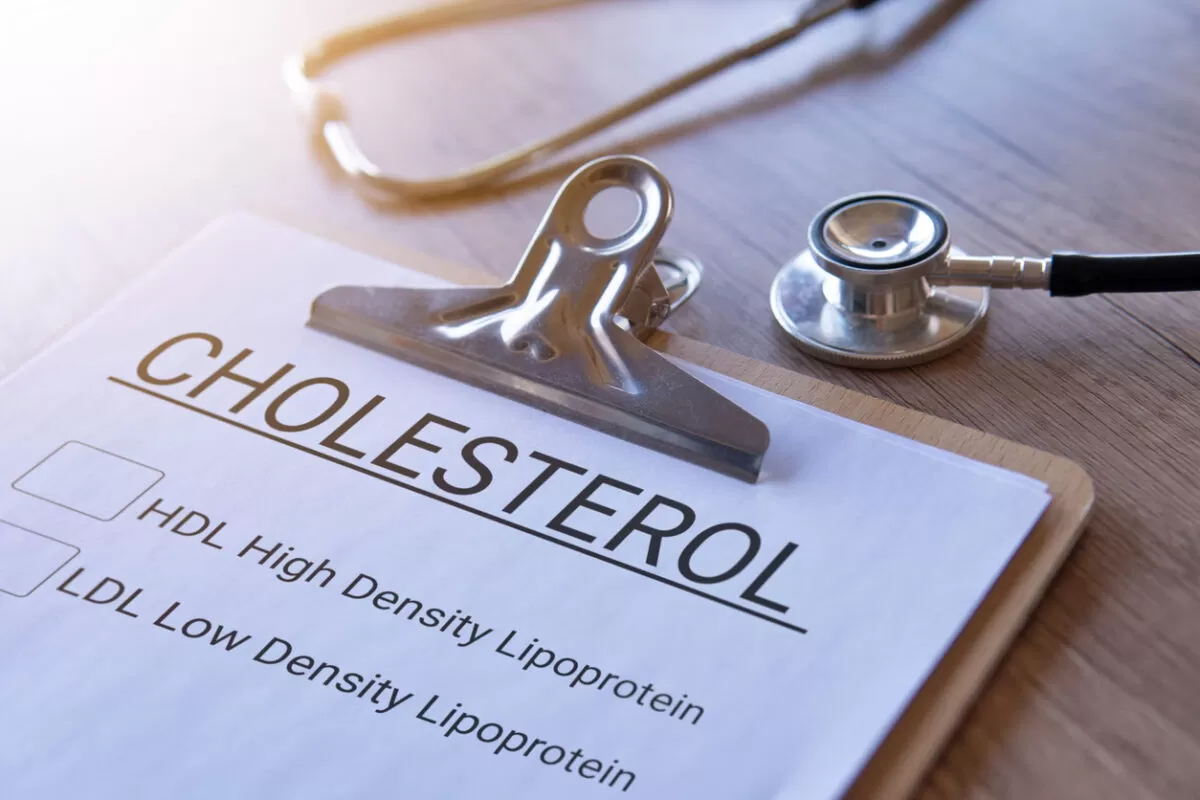
Wondering which cholesterol drug is safest? The answer depends on your individual health needs, side effect tolerance, and medication goals. Statins are commonly prescribed, but personalized options—like compounded medications—may offer safer alternatives. Talk to your doctor or pharmacist about the best and safest approach to managing your cholesterol effectively.
High cholesterol often goes unnoticed—until it leads to serious health complications like heart attack or stroke. For many patients, cholesterol-lowering drugs become essential, but side effects or ineffective results can make finding the right one a challenge.
This article explores which cholesterol drug is safest and how compounding pharmacy services can offer a personalized solution.
Which Cholesterol Drug Is Safest?
When managing high cholesterol, patients and providers often ask, “Which cholesterol drug is safest?” The answer isn’t one-size-fits-all. It depends on individual risk factors, medication tolerance, and unique health profiles.
Here is what you need to know to make informed, personalized decisions.
Understanding Cholesterol and Its Impact on Health
Cholesterol is a waxy substance found in the blood. While your body needs cholesterol to build healthy cells, having too much LDL (bad cholesterol) can increase your risk of cardiovascular disease. HDL (good cholesterol), on the other hand, helps remove LDL from your bloodstream.
Managing cholesterol levels is crucial, and medication often becomes necessary when diet and exercise alone aren’t enough. This is where the question arises again: Which cholesterol drug is safest for your unique situation?
Common Types of Cholesterol-Lowering Medications
There are several classes of cholesterol-lowering drugs, each working in different ways. Statins are the most commonly prescribed and work by blocking a substance your body needs to produce cholesterol. Other drugs include fibrates (which lower triglycerides), bile acid sequestrants, niacin, and PCSK9 inhibitors.
Choosing from these options involves more than just effectiveness—it means asking, “Which cholesterol drug is safest” based on side effects, interactions, and long-term impact.
Comparing Safety Profiles: Statins, Fibrates, and Others
Statins generally have a favorable safety profile but may cause muscle pain or liver issues in some people. Fibrates are another option, often used to reduce triglyceride levels, though they may not be suitable for individuals with kidney or liver conditions. PCSK9 inhibitors, though newer and more costly, have shown fewer side effects in many patients.
So, which cholesterol drug is safest? It may come down to how your body responds and whether any coexisting conditions are present.

Side Effects to Watch Out For
Every medication comes with potential side effects. Common ones for cholesterol drugs include fatigue, muscle aches, digestive issues, and in rare cases, liver damage. Statins, for example, can interfere with certain other drugs or worsen pre-existing conditions.
If you’re experiencing side effects, it’s a good time to re-evaluate which cholesterol drug is safest for you—and consider whether a custom-compounded medication could minimize these risks.
Personalized Medication: Why One Size Doesn’t Fit All
Your cholesterol management plan should be as unique as you are. Age, weight, liver function, and coexisting conditions all play a role in how a medication affects you. Personalized medications, including compounded prescriptions, are tailored to your needs when traditional options fall short.
The safest drug for one person might not work for another. So instead of a broad answer to which cholesterol drug is safest, consider what works best for your body.
The Role of Compounding Pharmacies in Cholesterol Treatment
Compounding pharmacies prepare custom medications by combining or altering ingredients to better suit a patient’s needs. For cholesterol treatment, this could mean adjusting dosages, removing allergens like gluten or dyes, or offering alternative delivery forms like liquids or topical gels.
If you’re still asking which cholesterol drug is safest, a compounding pharmacy may offer the flexibility and personalization that standard drugs cannot.
Customizing Dosage and Formulation for Tolerability
Some patients can’t tolerate standard doses due to side effects or difficulty swallowing pills. Compounded medications allow pharmacists to create lower or split dosages and even transform pills into liquids, topical creams, or capsules with customized ingredients.
This personalization supports better adherence to therapy, especially when safety and tolerability are top concerns. So when considering which cholesterol drug is safest, compounded options may offer the gentlest approach.
Working With Your Doctor and Pharmacist for Best Results
Optimal cholesterol management requires collaboration. Your doctor monitors lab results and overall health, while a pharmacist ensures your medication is safe, effective, and well-tolerated. If your current treatment causes side effects or fails to meet goals, it’s time to discuss adjustments.
That’s when the conversation around which cholesterol drug is safest should include both standard and compounded alternatives.
When to Consider Compounded Cholesterol Medications
You might consider compounded cholesterol medications if:
- You experience adverse side effects with commercial drugs
- You have allergies to common drug fillers or dyes
- You need a specific dose not available in standard form
- You struggle with pill swallowing or require alternative delivery
For many in these situations, which cholesterol drug is safest becomes a question best answered through a personalized, compounded approach.
Lifestyle Support Alongside Medication
Medication is only one part of the equation. Diet, exercise, stress reduction, and smoking cessation are equally important in managing cholesterol. Even the safest drug won’t perform optimally without a healthy lifestyle in place.
So when asking which cholesterol drug is safest, don’t forget the power of prevention and holistic care. Small daily choices reinforce the effectiveness of any pharmaceutical solution.
Need Compounding Medication?
Struggling to find a cholesterol medication that works for you without the side effects? Compounded medications offer personalized solutions tailored to your needs and sensitivities.
Burt’s Rx proudly serves the communities of Newbury Park, Moorpark, Westlake Village, and Thousand Oaks, specializing in custom cholesterol medications to support your journey toward better health.
Ask your doctor or visit Burt’s Rx to discover whether a compounded solution might be right for you. This includes services like pain management compounding solutions, compounding pet medication, pediatric compounding, and bioidentical hormone replacement therapy.
Conclusion
Finding the answer to which cholesterol drug is safest depends on your health profile, response to treatment, and goals for long-term wellness. Personalized and compounded medications can bridge the gap when standard options fall short. Talk with your doctor and pharmacist to explore the best, safest path forward for your cholesterol care.
Disclaimer: This article is meant for educational and entertainment purposes only. Do not substitute it for medical advice. Always listen to your doctor for the management of your condition.