
 info@burtsrx.com
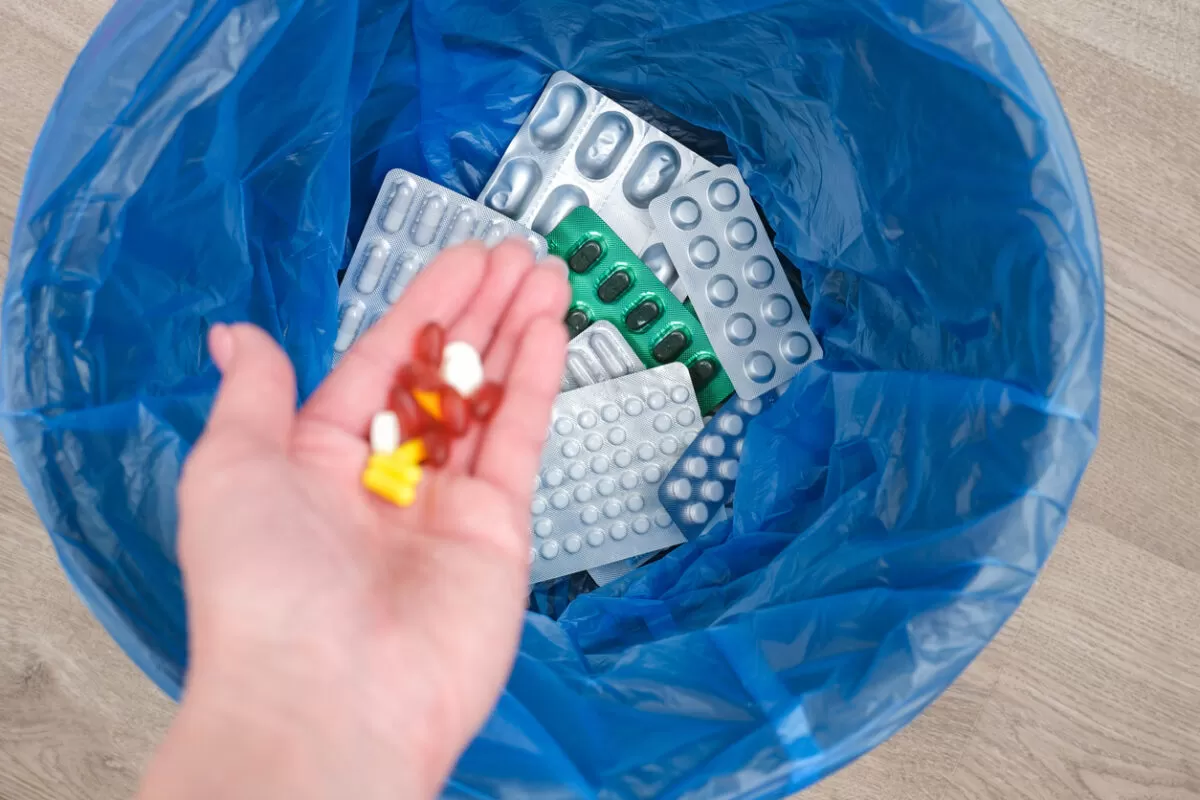
How to dispose of old pills safely? Learning how to dispose of old pills safely protects your family, community, and the environment. Use take-back programs, authorized collection sites, or secure at-home methods to prevent misuse and contamination. Always avoid flushing medications unless instructed. Safe disposal ensures expired or unused pills don’t cause harm.
Proper medication disposal isn’t something most people think about—until a drawer full of expired prescriptions reminds them otherwise. Keeping unused pills can pose health and safety risks, yet tossing them in the trash or flushing them down the toilet can harm the environment. The good news is there are safe, responsible ways to manage old medications.
This article explores how to dispose of old pills effectively while protecting your family, community, and the planet.
Introduction
Every household accumulates unused or expired medications over time. Whether they’re prescriptions you no longer need or over-the-counter drugs that passed their expiration date, learning how to dispose of old pills safely is an important part of responsible living.
Here is a complete guide to help you make informed decisions.
Why Safe Disposal of Pills Matters
Keeping old medications around the house might seem harmless, but it can have unintended consequences. Children and pets may accidentally ingest pills, leading to poisoning or emergency situations. Expired medications also lose their potency, making them unsafe for use. Beyond the home, improper disposal—such as flushing pills—can pollute waterways and harm aquatic life.
When thinking about how to dispose of old pills, remember that it’s not just a household issue but also a public health and environmental concern. By following safe disposal practices, you reduce risks in your home while helping your community stay healthier and safer.
Common Mistakes to Avoid
One of the most common errors people make is flushing pills down the toilet. While it seems convenient, this introduces harmful chemicals into the water supply. Another mistake is throwing pills in the household trash without proper preparation, leaving them accessible to children, pets, or even those searching through trash bins.
Some households also mistakenly share unused prescriptions with friends or family, which is dangerous and illegal. If you’re unsure how to dispose of old pills, avoid these risky shortcuts. Instead, follow approved disposal methods that prioritize safety and environmental responsibility. Recognizing these mistakes is the first step toward better disposal habits.

Approved Methods for Safe Pill Disposal
Learning how to dispose of old pills correctly means knowing the safe options available:
Take-Back Programs
Many communities offer regular drug take-back events, often hosted by local law enforcement or health departments. These programs provide a secure way to hand over expired medications.
Authorized Collection Sites
Pharmacies, hospitals, and clinics often have drop boxes for old medications. These sites ensure the pills are handled and destroyed safely.
Mail-Back Options
Some disposal services provide pre-paid envelopes so you can send medications directly to an approved facility.
At-Home Disposal Steps
If no take-back option is nearby, you can mix pills with an undesirable substance (like used coffee grounds or cat litter), seal them in a bag, and throw them in the trash. Always remove personal information from prescription labels.
Special Considerations for Certain Medications
Opioids and Controlled Substances
Because of their high risk for misuse, opioids should never be kept at home once they are no longer needed. The best way to dispose of them is through take-back programs or authorized collection sites.
Liquid Medications
Liquids should be placed in a sealed container before disposal. Mixing them with substances like kitty litter helps prevent leaks.
Inhalers and Patches
Inhalers may explode if punctured or exposed to heat, while patches can still contain active medication even after use. Follow pharmacy or manufacturer guidelines for safe disposal. Knowing how to dispose of old pills, especially high-risk or unusual forms of medication, helps protect your family and prevents serious health risks.
Eco-Friendly Practices for Medication Disposal
Environmental concerns are a major reason to learn how to dispose of old pills responsibly. Flushing or tossing them without preparation can release pharmaceuticals into ecosystems, harming wildlife and contaminating drinking water sources. Choosing eco-friendly methods such as take-back programs ensures that medications are incinerated or neutralized in facilities designed to minimize environmental impact.
When at-home disposal is your only option, mixing pills with non-toxic, biodegradable substances before sealing them reduces harm. By prioritizing green disposal practices, households can keep their surroundings safe while contributing to broader environmental health.
What Not to Do
When deciding how to dispose of old pills, it’s just as important to know what not to do. Never burn medications, as this releases toxic fumes. Avoid flushing medications unless the label specifically instructs you to—only a small number of drugs fall into this category. Do not crush pills before disposal unless advised, since this can spread powder into the air.
Most importantly, never leave pills in their original bottles with labels intact when throwing them away, as this puts your personal information and health history at risk.
How to Store Pills Before Disposal
Sometimes, you may not be able to dispose of medications right away. Safe storage is essential during this waiting period. Keep medications in a locked cabinet, out of reach of children and pets. Store them in their original containers with the lids tightly closed, but mark them clearly as expired to avoid accidental use.
If you’re actively gathering medications for an upcoming take-back program, place them in a secure bag or box. Proper storage is an overlooked but critical part of learning how to dispose of old pills safely.
Educating Your Household on Safe Disposal
Teaching your family how to dispose of old pills helps prevent mistakes and builds lifelong habits. Talk to children and teenagers about the dangers of misusing medication and why it’s never safe to share prescriptions. Encourage older family members to clean out medicine cabinets regularly.
Even posting a simple guide on your fridge can remind everyone of the correct steps. By creating awareness within your household, you make safe disposal a routine practice instead of an afterthought.
Need Compounding Medication?
If you or a loved one need personalized prescriptions, consider compounding services. Unlike standard medications, compounding creates customized doses and forms that meet your unique needs.
Burt’s Rx proudly offers compounding medication services in Newbury Park, Moorpark, Westlake Village, and Thousand Oaks—helping patients get the right treatment in the right form. This includes services like pain management compounding solutions, compounding pet medication, pediatric compounding, and bioidentical hormone replacement therapy.
Conclusion
Disposing of old pills may seem like a small task, but it carries big health, safety, and environmental benefits. By understanding how to dispose of old pills properly, you protect your family and reduce risks in your community.
Start today by checking your medicine cabinet and choosing one of the approved, safe disposal methods outlined in this guide.
Disclaimer: This article is meant for educational and entertainment purposes only. Do not substitute it for medical advice. Always listen to your doctor for the management of your condition.